


Tanzania unveils 3-year drive to save 57 threatened tree species
Tanzania has launched a comprehensive three-year conservation initiative aimed at protecting 57 critically endangered tree species from extinction. The project, which carries a price tag of US $390K, represents a significant step in the nation’s efforts to safeguard its rich biodiversity amid growing environmental pressures.
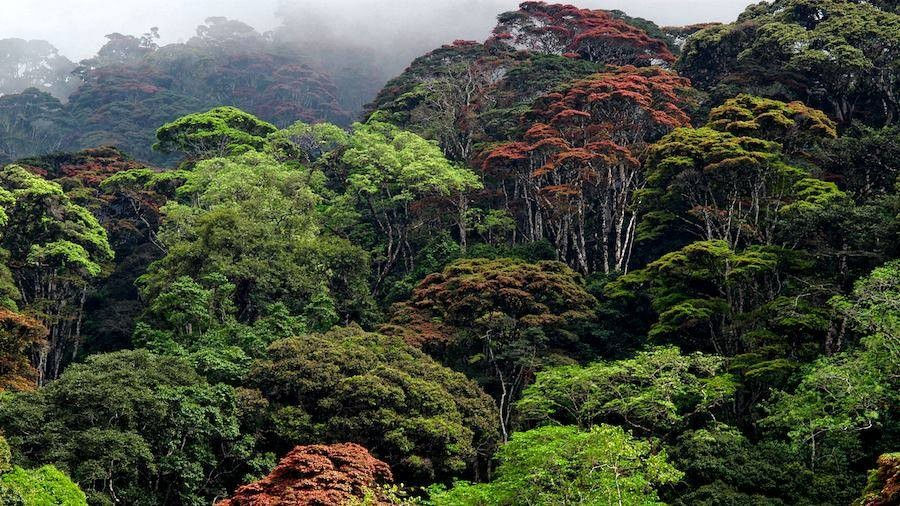
The initiative, officially titled “Enhanced Conservation of 57 Highly Threatened Tanzanian Tree Species,” was launched in Dodoma by John Elia, representing the Permanent Secretary of the Ministry of Natural Resources and Tourism. The project comes at a critical time when Tanzania’s forest resources face mounting threats from climate change, habitat destruction, and unsustainable harvesting practices.
During the launch ceremony, Elia emphasised the urgency behind the conservation effort, noting that more than 376 tree species in Tanzania have been listed on the International Union for Conservation of Nature Red List. These species face varying levels of extinction risk, prompting the government to take decisive action. The country’s rich biodiversity, while a national treasure, has come under increasing pressure in recent years.
“This project is part of the government’s efforts to ensure that these species continue to be conserved for the benefit of present and future generations,” Elia stated at the event, which drew government officials, forestry experts, researchers, and conservation stakeholders from both domestic and international organizations.
The project is being funded through a partnership between the Franklinia Foundation and the Missouri Botanical Garden, two organisations with established track records in global conservation efforts. The substantial financial commitment reflects the international community’s recognition of Tanzania’s biodiversity significance and the urgent need to protect threatened species.
Implementation of the initiative falls under the joint responsibility of the Tanzania Forest Services Agency and the Tanzania Forestry Research Institute. Fandey Mashimba, who serves as both Project Coordinator and Senior Assistant Commissioner at TFS, outlined the comprehensive approach the project will take. Activities will include seed collection from threatened species, seedling production for reforestation efforts, and scientific research to better understand conservation needs.
The project also emphasises habitat restoration, recognising that protecting individual species requires addressing the broader ecosystem challenges they face. Additionally, capacity building for conservation professionals forms a key component, ensuring that local expertise continues to grow and sustain conservation efforts beyond the project’s three-year timeframe.
Tanzania’s forest ecosystems play a crucial role not only in national biodiversity but also in regional climate regulation and local livelihoods. The country’s forests provide essential resources for communities while supporting unique species found nowhere else on earth. However, population growth, agricultural expansion, and commercial logging have placed unprecedented pressure on these natural resources.
The launch of this conservation project aligns with broader international commitments to biodiversity protection and sustainable development. As countries worldwide grapple with biodiversity loss, Tanzania’s proactive approach demonstrates how targeted interventions can address specific conservation challenges while building long-term institutional capacity.
Mashimba emphasized that the project’s success could serve as a model for protecting other endangered species facing similar threats. By establishing protocols for seed banking, habitat restoration, and community engagement, the initiative aims to create a framework that can be replicated and scaled up in future conservation efforts.
The involvement of international partners like the Missouri Botanical Garden brings valuable scientific expertise and global best practices to Tanzania’s conservation landscape. This collaboration exemplifies how local knowledge combined with international support can create effective solutions to complex environmental challenges.
As the project moves forward, its outcomes will be closely watched by conservation communities across Africa and beyond, potentially offering valuable lessons for protecting threatened tree species in other biodiversity-rich regions facing similar pressures.


Comments